
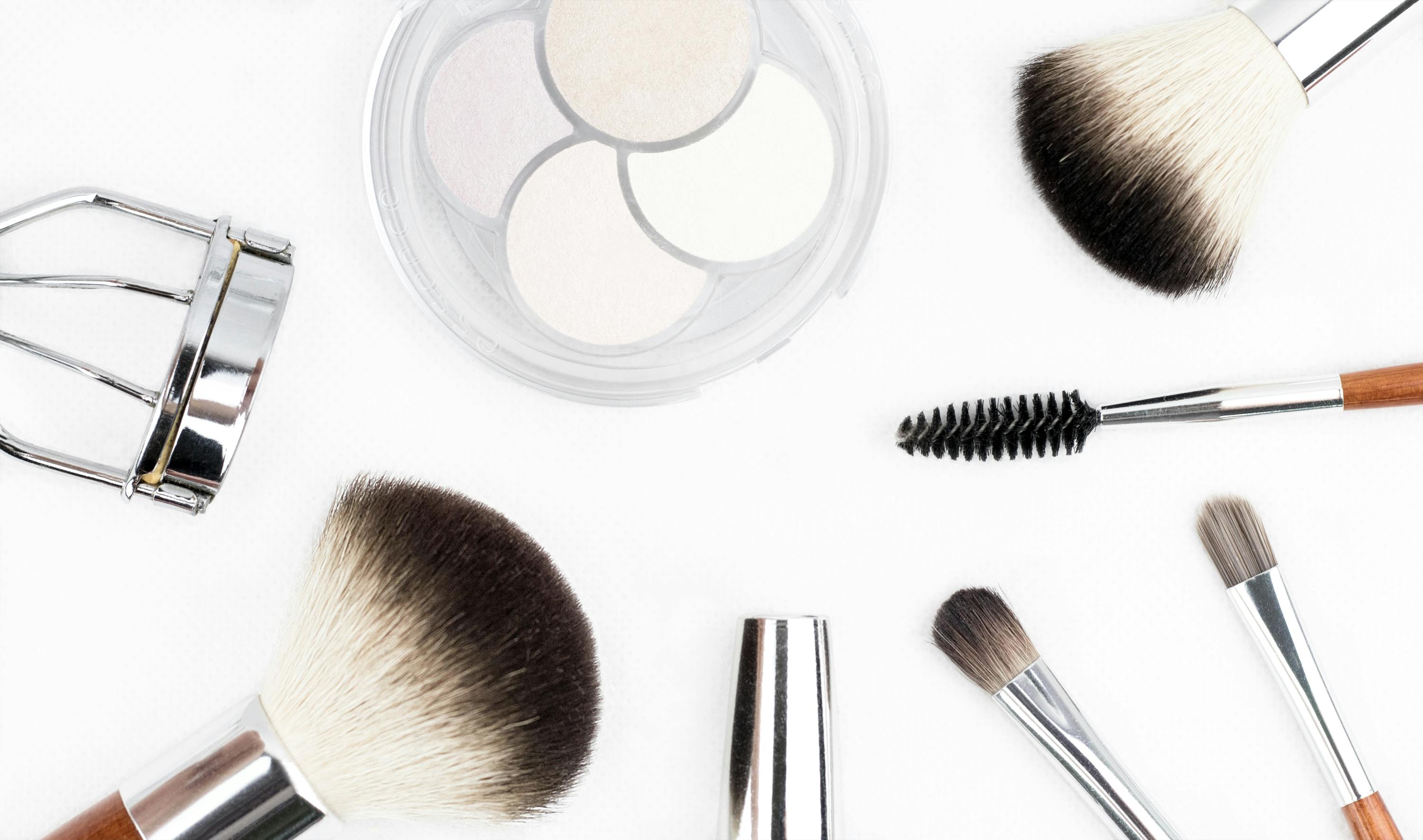
In today’s highly competitive beauty market, the visual appeal and cost-effectiveness of cosmetics packaging play a decisive role in brand differentiation. Among various surface treatment techniques, vacuum metallization stands out as a mature, efficient, and sustainable process that enables brands and packaging manufacturers to achieve stunning metallic textures at an optimized cost.

I. Metallization Process: Precision and Collaboration for Stable Quality
A stable metallization process is essential to ensure consistency and high yield in large-scale cosmetics packaging production.
1. Substrate Selection and Pretreatment
The base material directly determines the final appearance and durability of the metallized layer. Plastics commonly used include ABS, PC, and PMMA (acrylic).
After precise injection molding, each piece undergoes thorough cleaning to remove surface contaminants. A primer coating is then applied — a critical step that enhances adhesion and smoothness, ensuring the metal layer firmly bonds to the surface and improving the overall product yield.
2. Vacuum Coating
Following priming, the components are placed in a vacuum chamber, where high-purity aluminum wire is vaporized under high temperature and pressure. The resulting aluminum atoms uniformly deposit onto the surface, forming a nanometer-scale metal film.
This process delivers a brilliant metallic finish while being more environmentally friendly and cost-efficient than traditional electroplating, making it an ideal modern alternative.
3. Topcoat Spraying and Custom Finishes
Since the metallized layer is delicate, it must be sealed with a protective topcoat. High-end UV topcoats provide excellent resistance to scratches and corrosion.
By modifying the color and gloss level of the topcoat, a wide range of visual effects can be achieved — from classic gold and rose gold to unique gradient and iridescent tones. Brands can also choose between matte or glossy finishes, giving them full flexibility to align with their visual identity.
II. Process Advantages and Brand Application Value
Cost Efficiency: Achieves a luxurious metal-like finish on plastic, reducing overall packaging costs while maintaining premium aesthetics.
Design Flexibility: Supports diverse visual effects and personalized finishes, enabling differentiated product lines.
Lightweight & Eco-Friendly: Compared with real metal components, metallized plastics are lighter, reducing transportation costs and environmental impact. The vacuum metallization process also meets stricter sustainability and compliance standards.
III. Key Considerations: Design Compatibility and Process Planning
One important note for brand developers and designers:
Hot stamping (foil printing) cannot be applied on top of surfaces that have already been spray-coated or metallized. The coated layer prevents effective adhesion of anodized foil.
Therefore, during the early design stage, if a logo or pattern requires hot stamping, brands should:
Reserve a dedicated stamping area in the structural design, or
Discuss with the packaging supplier whether a “hot stamp first, then metallize” workflow is feasible.
Proper planning ensures both aesthetic integrity and production efficiency.
Conclusion
As a crucial step in the beauty packaging supply chain, vacuum metallization continues to empower brands with high-value, visually captivating solutions.
Partnering with an experienced OEM/ODM manufacturer skilled in metallization and surface finishing is key to ensuring your lipstick tubes, powder compacts, eyeshadow palettes, and other cosmetics packaging achieve excellence in appearance, quality, and cost performance — helping your brand shine in the competitive beauty landscape.
