
01 | Product Overview
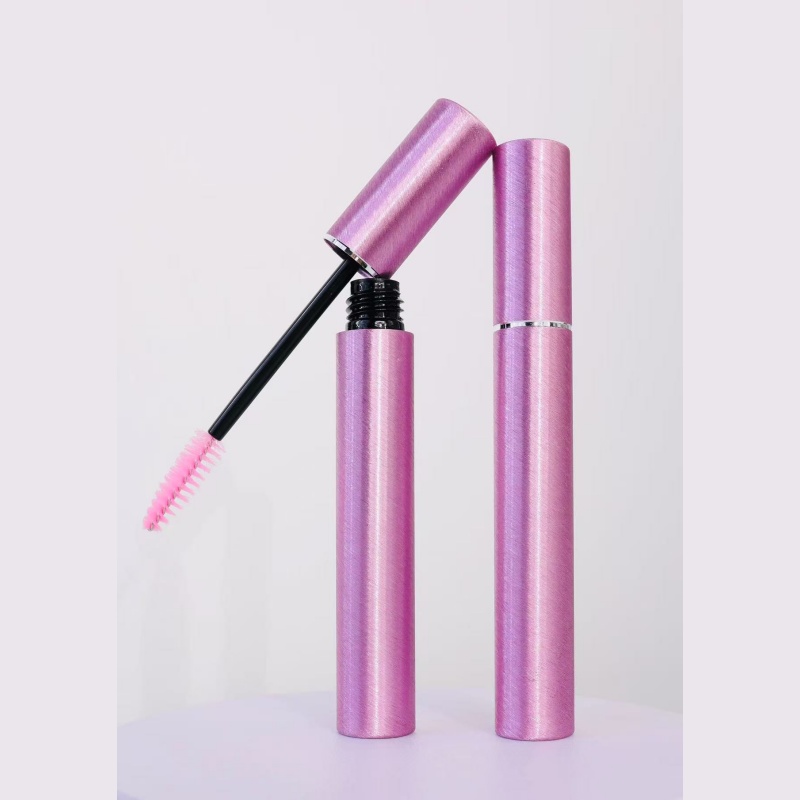
Mascara is a cosmetic product applied to eyelashes to enhance volume, length, curl, and color. The core component that holds the mascara is the tube—typically made up of a cap, stem, brush, wiper, and bottle. These parts are manufactured through injection molding or stamping processes and assembled to form the final packaging.
02 | Manufacturing Process
Raw Materials
Most components of mascara tubes, such as the bottle, cap, and stem, are made from plastic materials like ABS, POM, PP, LDPE, or PETG. Depending on customer preferences, aluminum may also be used for certain parts. The brush is usually made from fine wire and nylon, though TPE is another option—material selection often depends on the brand’s product positioning.
Molding Techniques
Components like the cap, stem, and wiper are typically produced using injection molding. Aluminum caps are often made through stamping. The bottle is commonly created using blow molding or injection blow molding processes.
Surface Treatment
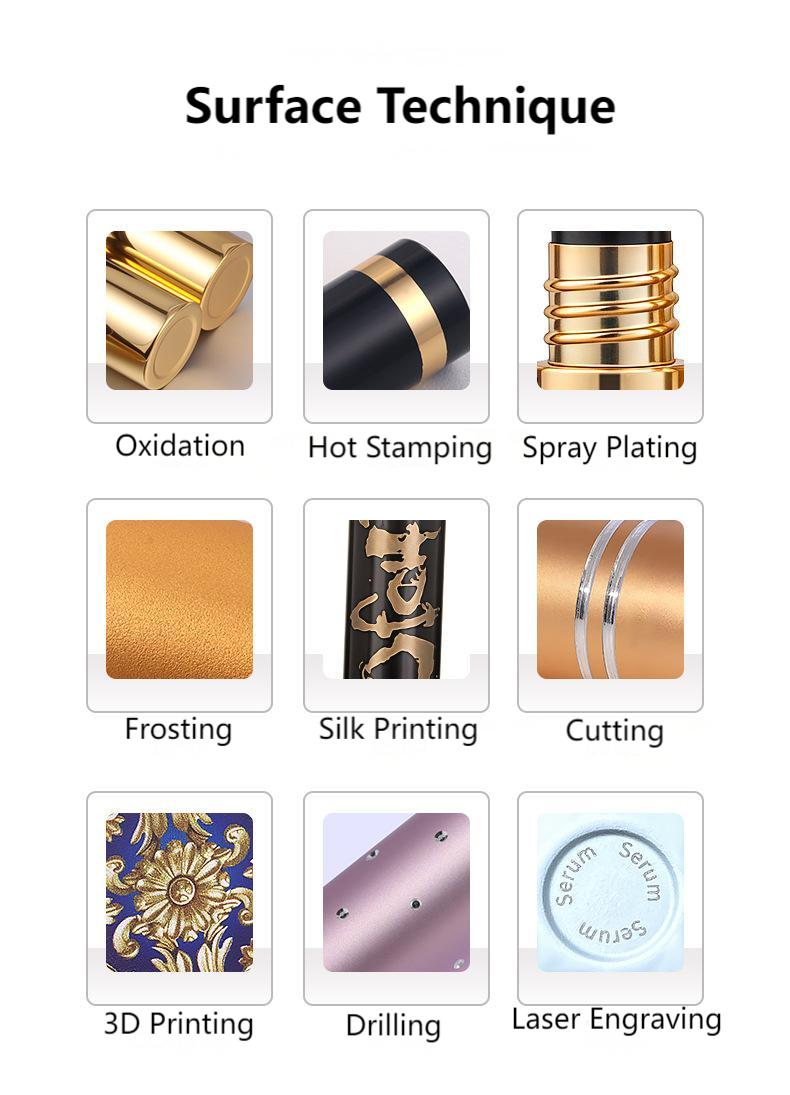
Mascara tubes can undergo various surface treatments, including spraying, electroplating, and oxidation, applied to either the cap or the bottle for enhanced aesthetics and functionality.
Printing & Branding
To effectively communicate brand and product information, printing techniques such as hot stamping, pad printing, screen printing, or heat transfer printing can be applied to the cap or bottle.
03 | Product Structure
The main components of a mascara tube are the cap, stem, brush, wiper, and bottle. As the industry evolves, many packaging suppliers have introduced innovations such as soft tubes into mascara packaging. Brands can also customize the tube design to reflect their unique identity.
Cap:
The cap connects to the stem and bottle, ensuring the product remains hygienic. It can also be printed with logos and product details. Caps are commonly made from ABS plastic or aluminum, depending on the customer’s requirements.Holder:
The holder connects the brush to the cap. Its structure must align precisely with the brush and cap dimensions to prevent issues like the brush detaching when opened. It also works with the wiper to seal and protect the formula.Applicator:
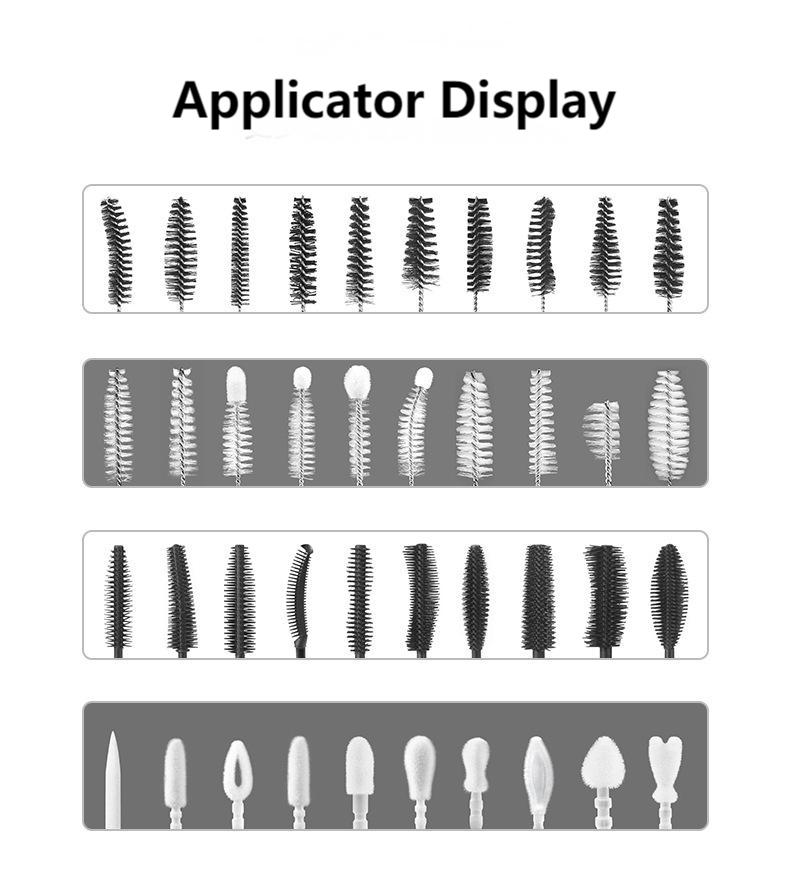
The applicator is the user’s primary point of interaction with the product. Its design directly affects the application experience. Brushes come in various shapes and styles, each serving different purposes.Plug:
The plug ensures an airtight seal between the stem and the bottle, preserving the formula’s quality. It also helps remove excess product for controlled application.Bottle:
The bottle holds the mascara formula. Its design can be tailored to reflect the brand’s image, while its structure—combined with the wiper and stem—ensures leak-proof protection.
04 | Key Purchasing Considerations
A perfect mascara relies 50% on the formula and 50% on the packaging. The brush shape and the formula together determine the final lash effect. The wiper is also critical—it controls the amount of product picked up by the brush. Too much or too little product can affect application.
Many manufacturers in China focus on appearance rather than functionality. As a purchaser, it’s essential to prioritize packaging requirements such as performance, material quality, brush design, and patent compliance. For branded products, partnering with international suppliers who offer patented brush designs is highly recommended.
